
Introduction
Obesity has become a global health concern, with increasing rates in many countries. It is associated with various health risks, including cardiovascular diseases, diabetes, and certain cancers. While diet and exercise remain fundamental components of weight management, the use of natural herbal remedies has gained attention for their potential to aid in weight loss and promote overall well-being. In this article, we will explore some of these natural herbal remedies and their potential benefits in the fight against obesity.
Green Tea Extract
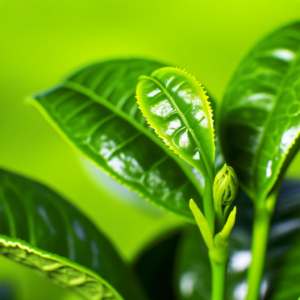
Green tea extract, derived from the leaves of Camellia sinensis, is rich in antioxidants called catechins. Epigallocatechin gallate (EGCG) is one of the most abundant catechins and has been studied for its potential in enhancing metabolism and fat oxidation. Research suggests that green tea extract may promote weight loss by increasing thermogenesis and improving fat utilization (Hursel et al., 2009).
Garcinia Cambogia
Garcinia cambogia, a tropical fruit native to Southeast Asia, contains hydroxycitric acid (HCA), which has been studied for its potential to suppress appetite and inhibit fat storage. Some studies have shown modest weight loss effects of garcinia cambogia supplements, though results may vary (Heymsfield et al., 1998).
Fenugreek
Fenugreek (Trigonella foenum-graecum) is an herb with a long history of traditional use in various cuisines and medicinal practices. It contains soluble fiber that may help control appetite and promote a feeling of fullness. Fenugreek has also been linked to improved glycemic control, which is essential for weight management (Chevassus et al., 2009).
Cinnamon
Cinnamon, derived from the bark of Cinnamomum trees, has been shown to improve insulin sensitivity and regulate blood sugar levels. By stabilizing blood sugar, cinnamon may help reduce food cravings and support weight loss efforts (Khan et al., 2003).
Turmeric
Curcumin, the active compound in turmeric, possesses anti-inflammatory properties and may support weight loss by reducing inflammation and improving metabolic function (Rahmani et al., 2016). While more research is needed, turmeric’s potential benefits in weight management are promising.
Conclusion
Natural herbal remedies offer a complementary approach to traditional methods of weight management. It is essential to note that individual responses to these remedies may vary, and they should not replace a balanced diet and regular exercise. Additionally, consultation with a healthcare professional is advisable before incorporating herbal supplements into a weight loss regimen, especially for individuals with underlying medical conditions or taking medications.
References:
- Hursel, R., Viechtbauer, W., Westerterp-Plantenga, M. S. (2009). The effects of green tea on weight loss and weight maintenance: a meta-analysis. International Journal of Obesity, 33(9), 956-961.
- Heymsfield, S. B., Allison, D. B., Vasselli, J. R., Pietrobelli, A., Greenfield, D., Nunez, C. (1998). Garcinia cambogia (hydroxycitric acid) as a potential antiobesity agent: a randomized controlled trial. JAMA, 280(18), 1596-1600.
- Chevassus, H., Gaillard, J. B., Farret, A., Costa, F., Gabillaud, I., Mas, E., … Petit, P. (2009). A fenugreek seed extract selectively reduces spontaneous fat consumption in healthy volunteers. European Journal of Clinical Pharmacology, 65(12), 1175-1178.
- Khan, A., Safdar, M., Ali Khan, M. M., Khattak, K. N., & Anderson, R. A. (2003). Cinnamon improves glucose and lipids of people with type 2 diabetes. Diabetes Care, 26(12), 3215-3218.
- Rahmani, S., Asgary, S., Askari, G., Keshvari, M., Hatamipour, M., Feizi, A., & Sahebkar, A. (2016). Treatment of non-alcoholic fatty liver disease with curcumin: A randomized placebo-controlled trial. Phytotherapy Research, 30(9), 1540-1548.